

Most Popular
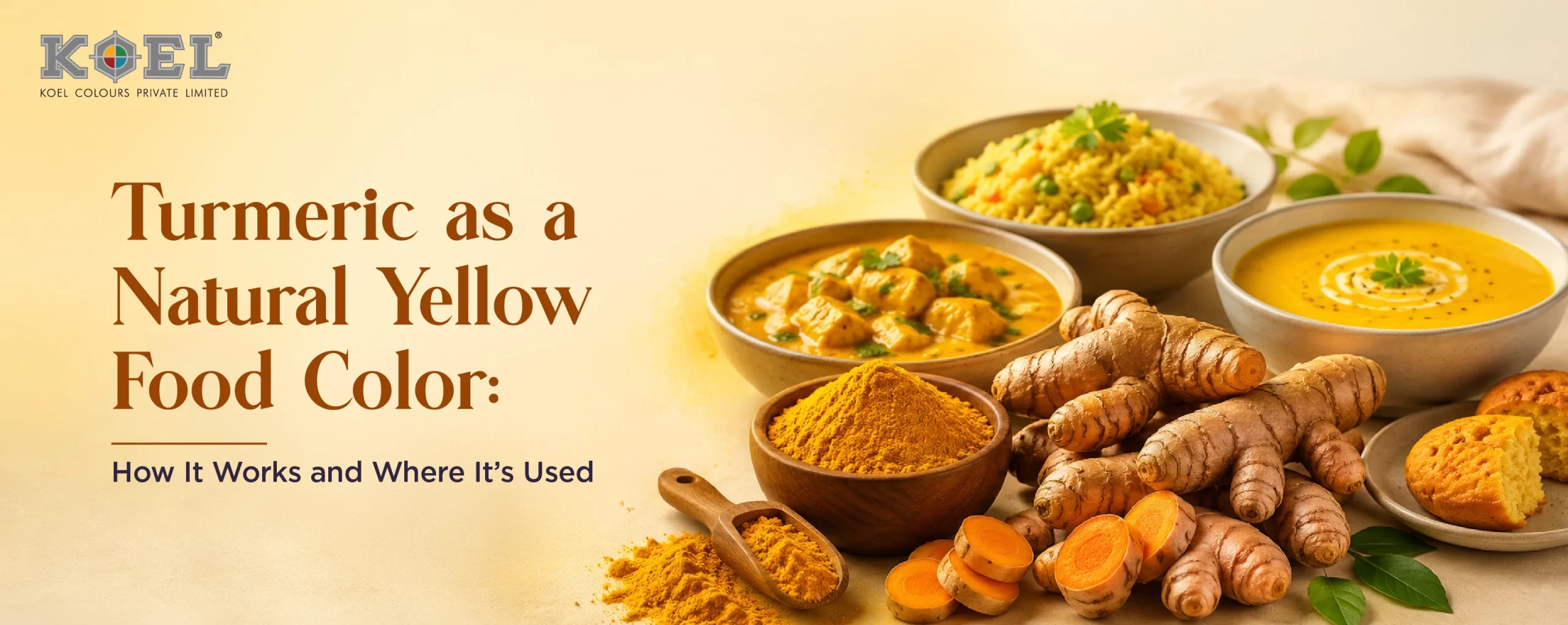
Turmeric Yellow Color is a natural dye obtained from the root of the Curcuma Longa (turmeric). Turmeric has been used for many years in various ways due to its beautiful gold-yellow color and medicinal attributes. The primary component responsible for its yellowish color is curcumin which is an organic polyphenol found within turmeric.
The earthy and natural tones created by the use of turmeric are vastly different than the synthetic yellow dyes on the market today. Due to its rich coloring capabilities, turmeric is a popular option among brands/manufacturers who are seeking plant-based/clean label options.
Turmeric holds a lot of historical importance, and specifically in India, it has been part of wedding celebrations, religious practices, and textile dyeing because of what it symbolizes. Historically, it represents purity, prosperity and health. Today, as an “herb”, turmeric is recognized by practitioners of Ayurvedic medicine (an ancient practice that focuses on balance) for its ability to promote overall well-being. Turmeric has become widely known internationally not only for being a flavor component but also for being a natural coloring agent for many industries. The international trend of using natural and sustainable products indicates why turmeric is becoming increasingly popular.
The coloring component of turmeric, known as curcumin, is what provides turmeric with a bright yellow hue. The pigmentation absorbs certain wavelengths of light; thus, providing the golden hues found in turmeric powder or extract.
Turmeric pigment also exhibits an ability to dissolve in oil and fat. Turmeric is more soluble in oils and fats than in water, therefore making it suitable for use in product applications, including sauces, dairy, etc. and cosmetic products.
While turmeric pigment exhibits relatively good stability, it will lose intensity when exposed to heat, prolonged periods of light (sunlight), and/or high-pH conditions. Long-term sun exposure will likely result in the fading of the original color of the turmeric. High-pH environments have been shown to create slight changes in the actual color tone.
Natural Food Coloring Replacement, Turmeric is becoming an alternative to artificially created dyes, specifically Tartrazine Yellow. Today, consumers are looking for familiar food ingredients and chemical-free food options. The “clean label” trend has spread across the world, and therefore, food processors have turned to using Turmeric. Turmeric provides both color and function, so it is far more appealing to food processors who want to replace synthetic additives with a recognizable ingredient.
Turmeric yellow color is widely used in:
Its warm yellow shade enhances visual appeal while maintaining a natural ingredient profile.
Compared to synthetic dyes, turmeric offers several advantages:
Turmeric is generally used as a color additive in food and beverage preparation (baked goods, soft drinks), candy-making (candies), flavorings, and spice blends.
As a result of its capacity to provide natural-looking skin glow with its calming effects on sensitive skin, many cosmetic companies have incorporated turmeric into their product lines, including in face masks, lotions/creams, soap/cleansers, herbal skincare products, etc.
Historically, turmeric has been employed as a natural dye for cotton, silk and wool; however, it may be used today as an environmentally conscious way to create earthy tones such as golden brown hues on all three fiber categories.
Since Curcumin is an effective naturally occurring colorant, this means it can be used in capsules, dietary supplement products and wellness products.
Turmeric is a much better choice than the average artificial dye. In addition to being an attractive color, turmeric also has many beneficial health supporting qualities.
The most well-known of these health-supporting qualities are:
These additional benefits make turmeric more valuable than standard artificial colorants.
Yes, turmeric is widely recognized as safe for consumption and is approved as food additive E100 in many countries.
While generally safe, excessive turmeric consumption may cause:
Moderation is always recommended.
Turmeric color is globally accepted in food and cosmetic applications under regulated usage guidelines.
| Feature | Turmeric Yellow |
| Source | Natural |
| Health Impact | Beneficial |
| Stability | Moderate |
| Popularity | Rising |
Although turmeric yellow color offers numerous benefits, it too has several drawbacks:
These factors require careful formulation during industrial use.
The demand for natural colors is rising at an alarming rate as a result of:
Koel Colours are helping meet the rising global demand for natural food color solutions by offering innovative turmeric-based color formulations aligned with clean-label and sustainable manufacturing trends.
To preserve turmeric’s brightness:
Turmeric can create strong stains, especially on fabrics and porous surfaces, though many stains fade over time with washing.
Not always. While it works well in many applications, some products still require the higher stability of synthetic dyes.
Exposure to sunlight, oxygen, and alkaline conditions can reduce pigment intensity.
Yes, moderate daily consumption is generally considered safe for most individuals.
As industries continue shifting toward safer and more sustainable ingredients, natural color specialists like Koel Colours are expected to play an important role in the future of turmeric-based food coloring innovation.