

Most Popular
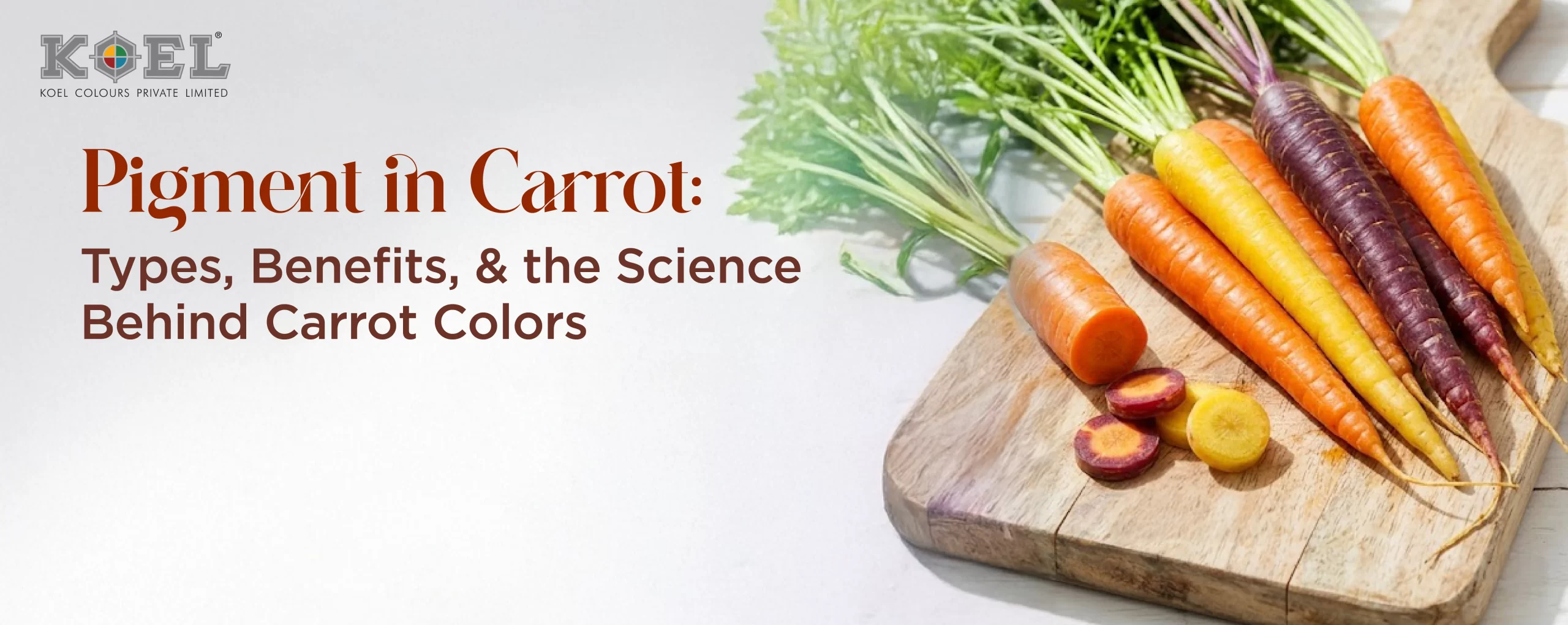
Not all carrots have a bright orange color. It is true that for years, wide varieties of carrots were not orange but rather were a variety of colors including purple, yellow and white. It has been centuries since humans began selectively breeding carrots to produce the bright orange color which most people associate with carrots today.
The colorful pigments present in carrots (and other vegetables) provide information about both the biological function of these pigments within plants as well as their potential health value to humans when consumed. The colorful pigments present in carrots include carotenoids, anthocyanins and lycopene. Carotenoids contribute to the maintenance of eye health while also acting as antioxidants. The various health-related functions provided by the colorful pigments of carrots relate to the nutritional benefits associated with consuming carrots.
This article will discuss the scientific explanation for the development of colorful pigments in carrots, describe the nutritional differences related to each colorful pigment in carrots and explain how natural food-grade colorants such as plant-based pigments developed by Koel Colours for food, beverage, and nutraceutical applications.
Carrots have an orange color primarily due to the large amounts of a specific type of carotenoid pigment called Beta-Carotene that is present in the developing carrot. The Beta-Carotene pigment is what provides the vivid orange color of the matured carrot.
Orange carrots were first bred for popularity by Dutch farmers in the Netherlands during the 16th and 17th century through selective breeding to produce carrots with increased concentrations of Beta-Carotene and subsequently deeper shades of orange.
In simple terms, the majority of the Beta-Carotene in carrots is stored within cells that are different from regular plant cells. The cells containing these specialized plant cells containing the pigment and fiber are known as chromoplasts. Chromoplasts are responsible for producing the orange color of the carrot.
Carotenoids are natural dyes of fruit and vegetable origin that give them a yellow, orange, or red color and are called “fat-soluble” pigments. The 3 most common carotenoids found in carrots are:
In addition to providing coloring in plants, carotenoids help protect against excessive light (photooxidation) and damage due to excess light energy through absorbing the extra light energy; additionally, when you consume carrots along with fats (healthy), it helps facilitate better absorption.
Anthocyanins are a class of water-soluble pigments which produce purple and black colors in carrots. These same types of antioxidants can also be found in blueberries and blackberries.
As an added benefit, anthocyanins possess strong antioxidant properties as well as assist in protecting plant cells against various forms of environmental damage. As a result, purple carrots have become one of the most valuable vegetable-based products used in the natural food coloring industry due to their stable and bright purple color when placed at specific pH levels.
The red pigment found in red carrots is called Lycopene and this same pigment is the one that creates red or pink colors in a variety of tomato-based products. This pigment adds to the deep red color of the carrot and is a more heat-stable pigment than some others found in plants. It is associated with cardiovascular benefits and antioxidant protection.
Xanthophylls, including lutein, give yellow carrots their color. Unlike beta-carotene, lutein does not convert into vitamin A but plays a critical role in eye health, particularly in supporting macular function.
Rich in beta-carotene, orange carrots support:
Purple carrots are high in anthocyanins, offering:
Yellow carrots provide lutein, which supports:
Red Carrots – Lycopene Benefits
The white carrot contains very little carotenoids or anthocyanins because it has a different gene expression than orange or red carrots. While the white carrot will have less antioxidant from its pigment, it can be an important source of dietary fiber as well as other nutrients.
Plant cell pigments are produced within plant cells by specific organelles called plastids (chloroplasts) that convert to chromoplasts as they age (the plastids in young plant tissues become chromoplasts in plant roots) as they produce carotenoids.
Genetic control of pigment synthesis occurs; however environmental influences on carotenoid concentration can occur due to:
Understanding these biological processes assists in the extraction and stabilization of naturally occurring pigments for use in food and beverage products. Natural color manufacturers such as Koel Colours use advanced extraction and formulation techniques to convert plant pigments into stable food-grade color solutions suitable for industrial applications.
Cooking methods can influence pigment stability and nutrient availability.
| Method | Effect on Pigments |
| Boiling | Some water-soluble nutrient loss |
| Steaming | Better nutrient retention |
| Roasting | Concentrates flavor and color |
| Cooking with fat | Improves carotenoid absorption |
Storage over long periods may slightly reduce antioxidant levels, though carotenoids are relatively stable.
| Pigment | Found in Carrots | Also Found In | Main Benefit |
| Beta-carotene | Orange carrots | Sweet potatoes | Vitamin A |
| Anthocyanins | Purple carrots | Blueberries | Antioxidant |
| Lycopene | Red carrots | Tomatoes | Heart health |
Carrots prior to modern cultivation, were mostly purple and yellow. This variety was developed from wild carrots native to central Asia. The orange carrot variety that we know today was selectively bred in Europe by Dutch farmers as part of their breeding program.
Modern advances in agriculture have brought back heirloom varieties of carrots and a variety of colors for consumers to choose from, providing consumers with options to support their desire for diverse foods, and provide them with additional functional nutrition opportunities.
Dark-colored carrots typically have an increase in antioxidants as well as pigments. However, the nutrient is not defined by color but by the total amount of nutrients in each type of carrot. While there are studies that show the correlation of the color and nutrient levels; it has been shown through scientific study that when you eat a variety of colored vegetables you will get the best benefit from them.
Vegetable-based pigments such as carotenoids and anthocyanins are increasingly used in the food industry as natural alternatives to synthetic dyes. These pigments help manufacturers achieve vibrant colors while maintaining clean-label ingredient lists that consumers prefer.
Companies like Koel Colours specialize in developing natural color solutions derived from plant sources, including carotenoid-based pigments inspired by vegetables such as carrots. Through advanced processing and quality control, Koel Colours provides color formulations that support consistent shades, stability, and regulatory compliance across a wide range of food and beverage applications.
As consumer demand for natural ingredients continues to grow globally, organizations such as Koel Colours play an important role in helping manufacturers transition toward sustainable and plant-based color technologies.
Understanding how various types of pigments in different carrot varieties combine a number of disciplines, including plant biotechnology, nutritional sciences and natural color development, to create an area of study that includes where there is increasing interest in clean label and plant-based products. The research into the pigments in plants will continue to be an area of innovation and growth for both agriculture and food technology.