

Most Popular
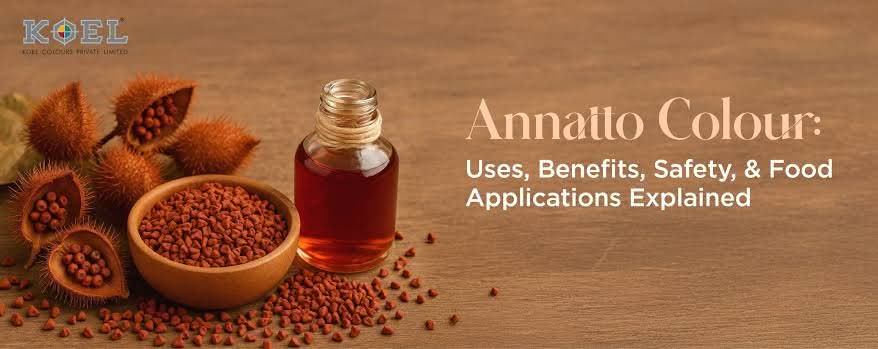
Annatto dye is a naturally occurring coloring agent that is derived from the seed of the tropical plant Bixa Orellana (achiote or roucou). For centuries, the coloring agent was utilized as a natural yellow to orange dye for food, cosmetics, and fabric.
Annatto dye is an example of a plant-based dye, which is being driven by consumer interest for clean-label products, whereas artificial dyes are petroleum-based. Prior to its use as a global coloring agent, the indigenous people of South and Central America were using annatto for cooking and traditional body painting.
Annatto has its roots in the warm climates of both central and southern America because this is the natural habitat of the achiote tree. In addition to being grown in these regions, annatto is now grown in many parts of tropical Asia and tropical Africa.
Annatto is often used in Latin American cooking to give food a yellowish-brown color and a slightly earthy taste. It is commonly added to rice, stews and marinades.
The two common extraction methods for annatto are:
The primary coloring compounds are:
Both Bixin and Norbixin have the same orange-golden color and contribute to annatto’s strong yellow-orange color.
Annatto is widely used across food categories:
For manufacturers focused on quality natural colors, Koel Colours provides standardized annatto color solutions for cheese, snacks, dairy, and processed food applications.
Although used in small quantities, annatto contains beneficial plant compounds.
| Nutrient/Compound | Present In Annatto | Potential Role |
| Carotenoids (Bixin/Norbixin) | Yes | Antioxidant activity |
| Vitamin E | Present | Cellular protection |
| Tocotrienols | Present | Cardiovascular & antioxidant support |
| Trace Minerals | Small amounts | General nutrition support |
Annatto is rich with antioxidants like carotenoid bixin which can neutralize oxidative stress (free radicals) that can cause cell damage leading to chronic disease and aging.
In the laboratory, research has shown that extracts of annatto inhibit certain types of bacteria and fungi; thus, it may potentially be used as an additive for organic food preservation methods.
Antioxidants in carotenoids aid in maintaining good eyesight. Though the carotenoids in annatto differ from beta-carotenes, the antioxidant activity in annatto could possibly protect the eyes as well.
Lab research suggests that the antioxidants present in annatto may affect the pathways involved in inflammation, resulting in reduced levels of inflammation at the cellular level.
Lab studies have examined how bixin affects abnormal cell division. Most of these studies are preclinical; therefore, additional clinical trials with humans are necessary to determine if annatto has anticancer properties.
Annatto is generally well tolerated, but rare cases may include:
Annatto is recognized as safe (GRAS) by the U.S. Food and Drug Administration when used within regulated limits.
| Feature | Annatto | Artificial Dyes |
| Source | Plant-based | Synthetic |
| Consumer Perception | Natural | Artificial |
| Allergen Risk | Low (rare cases) | Varies |
| Clean Label | Yes | No |
Annatto offers a natural alternative to synthetic colorants, supporting transparency and ingredient simplicity.
A small quantity is sufficient, typically 0.01–0.1% in food manufacturing applications.
Annatto has a mild, slightly peppery and earthy flavor.
| Substitute | Pros | Cons |
| Turmeric | Widely available | Strong flavor |
| Paprika | Mild taste | Different shade |
| Saffron | Premium color | Expensive |
| Beta-carotene extract | Stable | May be synthetic |
Natural colors are moving to the forefront in the food supply chain. Synthetic dyes in foods and beverages are becoming less appealing to consumers based on their concerns about health and visibility. Annatto has a perfect fit for this trend as it is able to provide vibrant color, meets all regulatory requirements and is derived from plants. Companies working together with established companies that specialize in providing natural food color solutions, such as Koel Colours, will be better equipped to satisfy both emerging regulatory requirements and growing consumer expectations of food manufacturers while maintaining product stability and performance.
Koel Colours offers high-quality annatto color formulations designed for consistent performance across dairy, snack, and processed food applications. With advanced manufacturing processes and strict quality control, the company ensures stable, vibrant natural color solutions suitable for modern food production.
Koel Colours’ annatto color solutions support manufacturers looking to meet growing demand for clean-label, plant-based ingredients while maintaining product consistency and visual appeal.
Manufacturers seeking a vibrant, natural hue without relying on synthetic additives can benefit from annatto-based color solutions. As consumer preference continues shifting toward natural ingredients, annatto remains a reliable option for brands aiming to deliver visually appealing and transparent food products.