

Most Popular
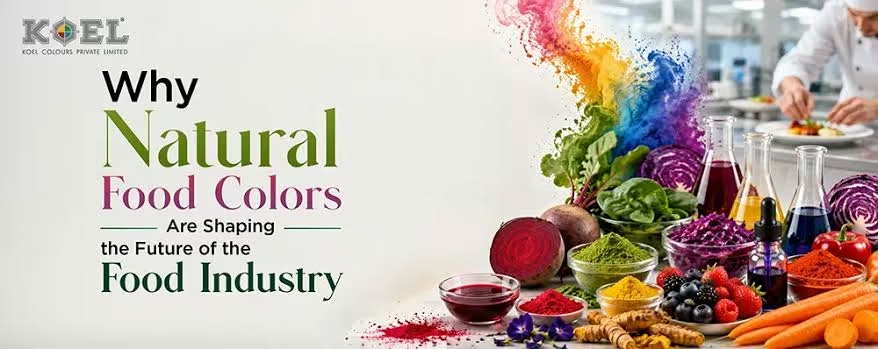
In today’s food industry, consumers are paying closer attention to what goes into the products they eat. Clean-label ingredients, transparency, and naturally sourced components are no longer optional they are becoming the standard. Among these changes, natural food colours have emerged as one of the fastest-growing trends, transforming how food manufacturers develop products and build consumer trust.
From bakery and confectionery to dairy, beverages, snacks, and plant-based foods, brands are increasingly replacing synthetic colourants with natural alternatives derived from fruits, vegetables, spices, and plants. As consumer expectations evolve, natural food colors are helping food manufacturers create products that are both visually appealing and aligned with modern preferences.
Today’s consumers don’t just purchase food based on taste they also examine ingredient lists. Products made with recognisable, naturally sourced ingredients are often viewed as healthier and more trustworthy.
This shift has encouraged food manufacturers to reformulate recipes by replacing artificial additives with natural alternatives wherever possible. Natural food colors support this transition while maintaining the vibrant appearance consumers expect.
Clean-label trends are especially influencing:
As regulations and consumer awareness continue to evolve globally, natural colour solutions are becoming an important part of future-ready food formulations.
Also Read Our Blog on
Clean Label Food Colors: The Complete Guide for Food & Beverage Brands
Before consumers taste a product, they judge it by its appearance. Color creates the first impression and often influences purchasing decisions.
Natural food colors help manufacturers:
When color aligns with consumer expectations, products are more likely to stand out on crowded retail shelves.
Unlike synthetic colourants, natural food colors are extracted from plant-based sources and naturally occurring pigments.
Common examples include:
These ingredients allow food manufacturers to create visually attractive products using naturally derived color solutions.
Natural food colors are no longer limited to a few niche products. Continuous innovation has expanded their use across numerous food applications.
Today, they are widely used in:
Cakes, muffins, biscuits, macarons, doughnuts, and decorative icings benefit from vibrant natural shades.
Ice creams, yoghurts, flavoured milk, and desserts increasingly use natural color solutions.
Fruit drinks, flavoured water, juices, energy drinks, and health beverages often incorporate naturally sourced colors.
Candies, gummies, chocolates, fillings, and sugar decorations use natural colors to enhance shelf appeal.
Seasonings, coatings, cereals, and savoury snacks also benefit from stable natural coloring systems.
One challenge manufacturers often face is balancing visual appeal with product performance.
Modern natural food colors are designed to offer:
As technology continues to improve, natural colors are becoming increasingly suitable for large-scale commercial food production.
Consumers are becoming more environmentally conscious alongside their focus on health.
Natural food colors often align with sustainability initiatives because they are sourced from renewable plant materials and support more environmentally responsible product development.
For many food brands, adopting natural colors is part of a broader commitment to responsible sourcing and sustainable innovation.
Around the world, food brands are investing in products that combine visual appeal with cleaner ingredient declarations.
This growing demand has encouraged manufacturers to explore natural colour solutions that support:
Natural food colors have become an important part of creating foods that meet both regulatory expectations and evolving consumer lifestyles.
Selecting the right natural food color is only part of the process. Working with an experienced color solutions provider can help manufacturers achieve consistent product performance across different applications.
Koel Colours offers its Natureza range of natural food colors derived from carefully selected natural sources. The portfolio includes solutions such as beetroot, curcumin, annatto, beta carotene, anthocyanins, and black carrot extracts for a wide variety of food and beverage applications. Backed by decades of expertise, international quality standards, and technical support, Koel Colours helps food manufacturers develop products that meet today’s clean-label expectations without compromising visual appeal.
Natural food colors are no longer simply an emerging trend; they are shaping the future of the global food industry. As consumers increasingly seek clean-label products made with naturally sourced ingredients, food manufacturers are adopting innovative color solutions that balance appearance, quality, and consumer expectations.
By incorporating natural food colors into modern formulations, brands can create visually attractive products while supporting transparency, sustainability, and long-term market growth.