

Most Popular
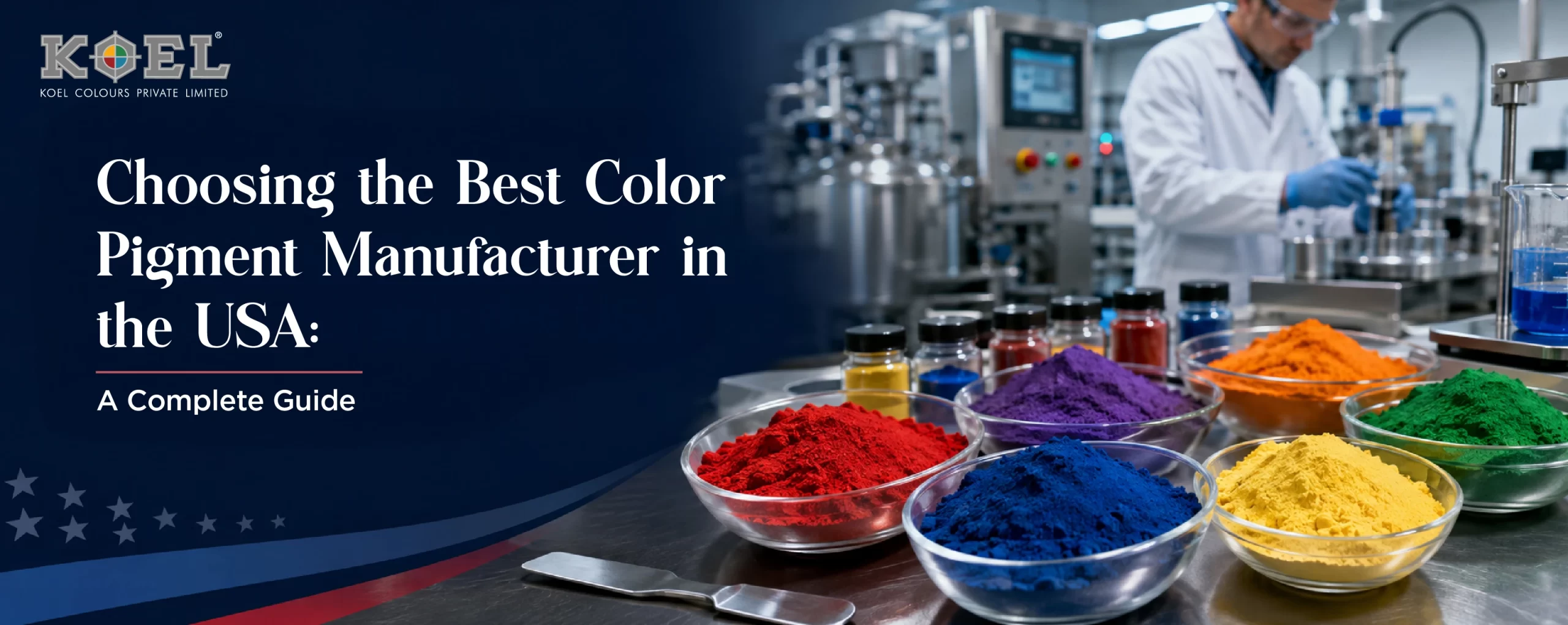
Color is often the first thing a customer notices before texture, before fragrance, before taste. Whether it’s the shimmer in an eyeshadow palette, the vibrant coating on a candy shell, the tint in a soap bar, or the precise shade of a tablet, color pigments quietly do the heavy lifting behind a product’s first impression. Yet choosing the right pigment manufacturer to partner with is one of the most overlooked decisions in product development, often treated as an afterthought rather than a strategic sourcing decision.
If you’re a formulator, brand owner, or procurement specialist in the USA looking to source color pigments, this guide walks you through everything you need to evaluate before signing on with a supplier.
Pigments aren’t a commodity ingredient you can swap out without consequence. The wrong choice can lead to:
A dependable pigment manufacturer isn’t just a vendor. They become an extension of your R&D and quality teams, which is why the selection process deserves real diligence.
Not every pigment manufacturer serves every industry, and that’s a good thing — specialization often means deeper technical know-how. Look for a manufacturer with proven experience across the specific category you operate in, whether that’s cosmetics and personal care, food and beverages, pharmaceuticals, home care and toiletries, or pet food and animal feed. A manufacturer with a broad but focused portfolio covering organic and inorganic pigments, lakes, dyes, micas, and specialty metallics signals the technical depth needed to solve category-specific color challenges.
Koel Colours offers colorants and pigment solutions across cosmetics and personal care, home care and toiletries, pharmaceutical, food and beverage, pet food and animal feed, along with specialised metallic pigments, natural colours, and other specialty solutions.
This is non-negotiable, especially for US buyers, where regulatory requirements vary according to the specific color additive, product category, intended use, and applicable regulations. Before shortlisting any manufacturer, verify:
A manufacturer that invests in a wide certification and documentation portfolio is signalling something important: color safety and regulatory readiness are built into their process, not bolted on afterward. Koel Colours highlights international quality certifications along with FDA, ISO, GMP, Halal, Kosher, FSSC and other certifications/support on its website.
Ask potential suppliers how they control shade consistency across batches. Reputable manufacturers maintain rigorous quality control protocols, in-house testing labs, and color-matching processes to ensure that the pigment you approve in a sample is consistent with what arrives at scale. Request batch documentation and consider running your own stability and compatibility testing before committing to a large order.
Koel Colours states that it has in-house quality control facilities and conducts multiple quality checks across its manufacturing processes.
The best pigment partners don’t just supply color — they help you innovate. A manufacturer with a strong R&D team can assist with custom shade development, troubleshoot formulation challenges, and provide regulatory and documentation support for different markets. This kind of collaborative support is especially valuable if you’re developing a new product line or expanding into international markets with varying color additive requirements.
Koel Colours highlights R&D and regulatory support as part of its offering and provides formulation and application support to customers.
Product launches run on timelines, and pigment delays can hold up an entire production schedule. Evaluate:
A manufacturer with an established global distribution network is generally better positioned to handle volume fluctuations and deliver consistently, even during periods of high demand.
For US buyers sourcing from an international manufacturer, it is also worth evaluating export experience, documentation support, shipping processes, and the supplier’s ability to maintain consistent lead times. Koel Colours states that it has a distribution network spanning 65+ countries and highlights short lead times as one of its capabilities.
Consumer demand for clean-label and naturally derived products continues to grow across cosmetics, food, and personal care. If sustainability is part of your brand positioning, look for manufacturers who offer natural color alternatives alongside synthetic options, along with transparency around sourcing and environmental practices.
Koel Colours offers natural colours as part of its portfolio, alongside synthetic and specialty color solutions.
Experience matters in an industry where trust is built over decades, not months. A manufacturer with a long-standing legacy and an established presence across multiple countries has likely weathered regulatory changes, supply chain shocks, and shifting market trends — and adapted successfully each time. That kind of resilience is hard to fake and worth prioritizing.
Koel Colours highlights more than 45 years of legacy, a presence across 65+ countries, and experience serving multiple industries.
Before finalizing a pigment manufacturing partner, it’s worth asking directly:
At minimum, check for applicable FDA requirements, ISO certification, and GMP certification where relevant. Depending on your industry and target markets, Halal, Kosher, FSSC, and other relevant certifications may also be important. If you plan to sell in European markets, you should also check applicable REACH requirements.
The exact regulatory requirements depend on the specific color additive, product category, and intended use, so documentation should always be reviewed for your particular application.
Synthetic pigments and colorants are manufactured to deliver consistent shades, stability, and predictable performance, while natural colors are derived from natural sources and can appeal to clean-label and sustainability-focused brands. Many manufacturers now offer both, so you can choose based on your product positioning, formulation requirements, and applicable regulatory considerations.
Request batch documentation and color-matching data from the manufacturer, and run your own stability and compatibility testing on sample batches. Reputable manufacturers will have quality control laboratories and should be transparent about their testing protocols.
Yes, many established manufacturers serve multiple industries — cosmetics, food and beverage, pharmaceuticals, home care, and pet food — but each category has distinct regulatory requirements. Make sure the manufacturer has category-specific compliance and formulation expertise, not just a broad product catalog.
Koel Colours currently lists solutions for cosmetics and personal care, food and beverage, pharmaceutical, home care and toiletries, and pet food and animal feed applications.
Lead times vary based on whether you need standard stock shades or custom color development. Standard orders can often ship within days to a few weeks, while custom shades may take longer due to formulation, testing, and regulatory documentation requirements. Always confirm lead times upfront, especially if you’re working against a product launch timeline.
Choosing a color pigment manufacturer for the USA market isn’t just about price per kilogram — it’s about finding a partner who understands your industry, meets applicable regulatory standards without cutting corners, and can scale with you as your product line grows. The right manufacturer reduces risk, speeds up development timelines, and ultimately protects the reputation of your brand.
At Koel Colours, we bring over 45 years of legacy in color pigment manufacturing, serve 6+ industries, and have a distribution network spanning 65+ countries. Our internationally certified processes, dedicated R&D and regulatory support, and short lead times are built to help brands move confidently from concept to shelf. Whether you’re formulating for cosmetics, food and beverages, pharmaceuticals, home care, or pet food, our team is ready to support your color requirements.
Looking for a trusted pigment manufacturing partner serving the USA market? Get in touch with Koel Colours to discuss your color requirements today.