

Most Popular
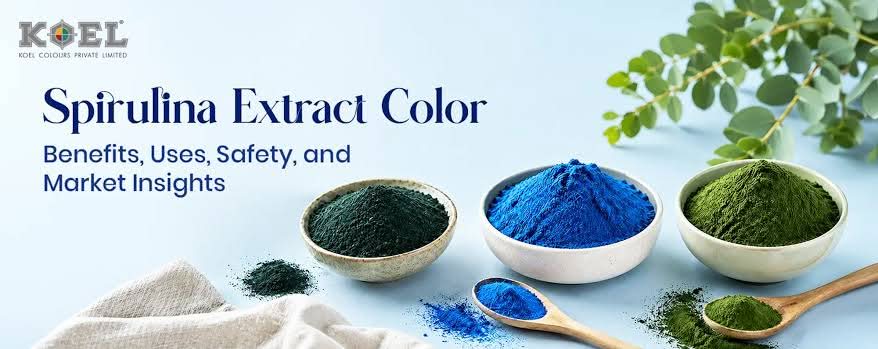
The clean label trend, along with an increasing desire by consumers to steer clear of artificially manufactured products, has made spirulina extract a fast-growing category of natural food coloring in the worldwide marketplace. Blue spirulina is most often the blue version of this product that has the natural dye (pigment) called phycocyanin. Green spirulina is the entire algae including all of its chlorophyll. As consumers continue to opt out of using man-made additive colors in their foods, the use of spirulina will be a major alternative to man-made blue dyes.
Spirulina is also identified by its scientific name of Arthrospira platensis, which is a nutrient-rich cyanobacterium that can be grown all over the world. The common names for this ingredient are:
The extracted phycocyanin from spirulina may be classified under approved categories of natural colors in various countries.
Spirulina is produced by cultivating it in controlled water-based environments. In order to separate the blue pigment from the Algae Biomass through Filtration & Drying Processes, during extraction, phycocyanin is isolated from Spirulina.
Forms of spirulina that are available for purchase contain one or both of these primary products:
The main focus of blue spirulina is generally to achieve color intensity, while green spirulina may retain other nutritionally beneficial compounds.
Spirulina extract delivers a bright blue to turquoise shade that stands out in food and beverage products. One major advantage is its water-soluble nature, making it suitable for drinks, confectionery, and dairy applications.
Key Specifications
Spirulina contains:
These nutritional properties add functional value beyond simple coloring.
Blue Spirulina is a pure Phycocyanin that can be utilized as an ingredient to create vibrant blue colors in foods and beverages, candies, etc.
The Green Spirulina powder will include all of the Algae material, which will provide a deeper green color than the liquid form and can be added to your favorite Smoothie or Health Products.
Dry Spirulina is more stable on the shelf and easier to transport than the Liquid version but the Liquid version blends well with beverages.
Because organic spirulina does not contain artificial or chemical-based ingredients (such as pesticides), organic spirulina is best suited for high-end “clean label” applications.
Spirulina color is widely used in:
Organic spirulina is commonly incorporated into dietary supplement capsules, health drink powders and mixes, and as a natural source of protein in various protein powder blends; also often utilized in other types of nutritional products that promote overall wellness.
Spirulina extracts can be found in some natural skincare product lines as well as as colorants and pigments in facial masks, cleansers and moisturizers, etc. as many consumers seek out plant-based alternatives to traditional dyes.
As with food and nutraceutical products, extracts from spirulina are being applied in functional formulations as well as in pharmaceutical products that focus on overall wellness.
Phycocyanin has antioxidant properties which can prevent cellular damage due to oxidation as well as inflammation.
The spirulina has been studied for its potential in maintaining heart-healthy cholesterol levels and overall cardiovascular wellness.
The high nutrient value of spirulina could aid in strengthening the body’s immune system.
Studies suggest phycocyanin has potential in providing brain health as well as cognitive functions.
Potential exists in the use of spirulina to support balance in the regulation of blood sugars through a healthy diet and lifestyle.
High protein content makes it a popular choice among fitness enthusiasts as well as those who are looking to aid in their weight loss endeavors.
As an all-natural ingredient, spirulina supports current trends in clean-label products for consumers.
Spirulina is seen by many as a safer alternative to some artificial dyes used in food coloring due to its natural origin and lower risk of side effects.
Increasingly, consumers are seeking plant-based products and avoiding what they see as chemicals or other artificial-sounding colourants.
In terms of cost, spirulina may be higher priced than artificial colors; however, brands that use spirulina can build greater consumer trust and establish a premium position in their market.
In the USA, Spirulina extract is allowed to be used for a few specific Food Color Applications.
India’s FSSAI allows approved natural colors, including spirulina-based, as long as they do not exceed the amount that has been specified.
Similarly, European guidelines allow controlled use of natural algae-derived colourants.
Also, many Spirulina Products are certified Organic and Non-GMO.
Usage depends on the product category and desired color intensity.
Excessive intake may occasionally cause mild digestive discomfort.
People with algae sensitivities should exercise caution.
High-quality sourcing is essential to avoid contamination from heavy metals or poor cultivation practices.
The Natural Food Colors Market is growing globally at an extremely rapid rate. Spirulina Extract has become one of the main segments for this increased growth in demand as consumers are increasingly educated on the use of artificial/synthetic additives within their foods.
The key factors driving the market growth include:
Despite the strong market growth there are still challenges that exist. Heat stability (ability to withstand high temperatures), cost and consistent supply from suppliers.
As the demand for natural blue color solutions continues to rise, Koel Colours are focusing on advanced spirulina-based formulations that align with clean-label trends, product stability requirements, and evolving consumer preferences across food and beverage industries.
Look for:
Choose airtight, moisture-resistant packaging for better shelf life.
Reliable suppliers should provide COA documents, sourcing details, and quality testing reports.
Yes, moderate daily consumption is generally considered safe.
Smoothies, desserts, candies, dairy products, and beverages.
Yes, excessive heat may reduce color intensity.
Approved spirulina-based natural colors may be used under FSSAI guidelines.
Powder contains whole algae, while extract focuses mainly on concentrated pigment.
The color of spirulina extract has become one of the most interesting new natural color alternatives available today. The reason for this is that spirulina offers a beautiful appearance, a “clean label” appeal (which will be especially important in the EU), and an added value with its high concentration of vitamins, minerals, etc. All these features are particularly appealing to food companies, cosmetics and wellness companies who wish to provide products that meet consumer expectations of being “natural”.