

Most Popular
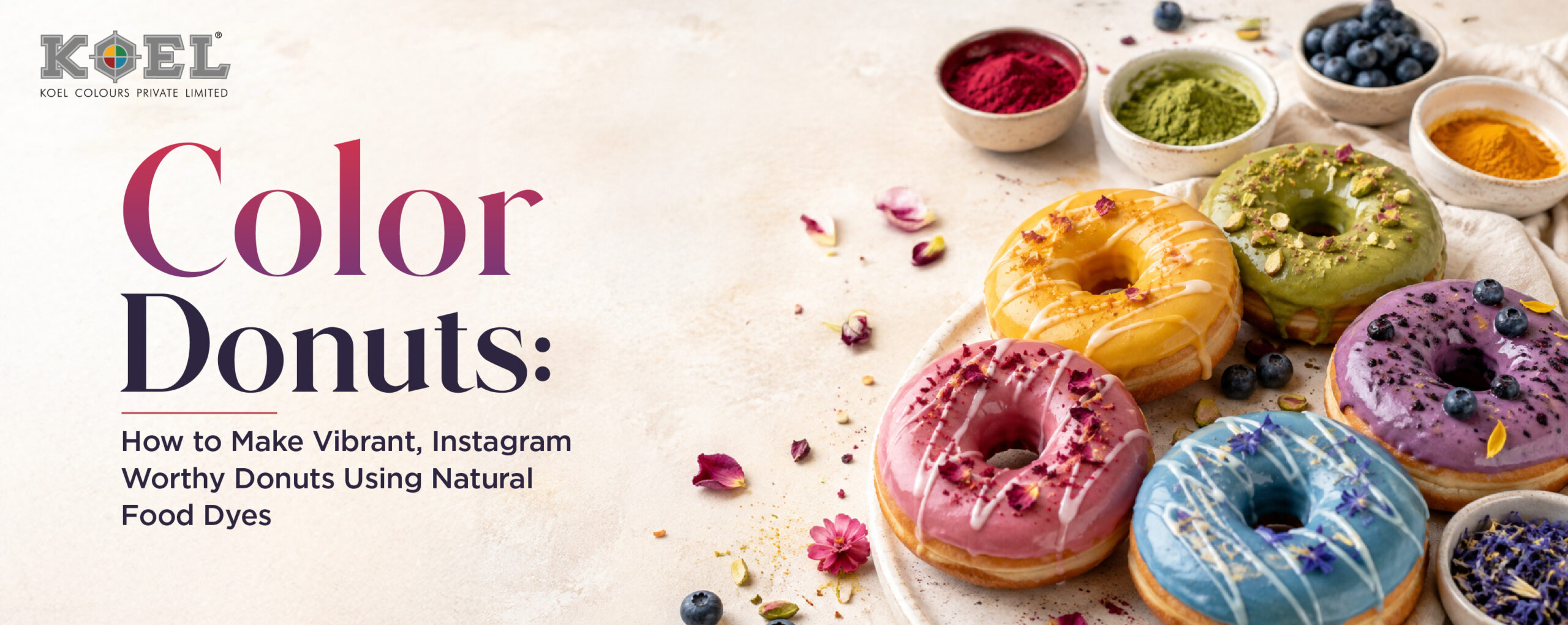
Walk into any bakery display case or scroll through any food feed today, and one trend is impossible to miss: color sells. Pastel glazes, rainbow drips, and jewel-toned sprinkles have turned the humble donut into one of the most photographed treats on social media. But as consumers grow more label-conscious, bakers and food brands face a new challenge how do you get that same show-stopping vibrancy without relying on synthetic dyes?
The answer lies in natural food colors. With the right sourcing, formulation know-how, and application technique, natural pigments can deliver the same saturated, camera-ready hues that shoppers expect while giving brands a “clean label” story to tell. Here’s how to do it right.
The shift away from synthetic dyes isn’t just a passing fad. Consumers are actively reading ingredient lists, and terms like “no artificial color” or “made with plant-based color” are becoming genuine purchase drivers rather than niche marketing claims. For bakeries and confectionery manufacturers, this creates both a challenge and an opportunity: the pressure to match the visual intensity of synthetic dyes, using ingredients derived from sources like beetroot, turmeric, spirulina, and annatto.
Natural colourants have come a long way from the muddy, fade-prone pigments of a decade ago. Advances in extraction, stabilisation, and encapsulation now allow manufacturers to produce natural color systems that hold up to heat, pH shifts, and shelf life the exact conditions a donut glaze has to survive between the fryer and the photo.
Getting a natural dye to look Instagram-worthy on a donut isn’t as simple as swapping one powder for another. Three factors make or break the final result:
1. Heat stability. Donuts are fried, and glazes are often applied warm or set at room temperature. Some natural pigments — particularly certain anthocyanins can shift shade or dull slightly when exposed to heat, so formulators need color systems specifically designed for bakery and confectionery applications.
2. pH sensitivity. Many plant-based pigments are pH-reactive by nature. Anthocyanins (the source of natural reds, pinks, and purples) can swing from red to blue depending on the acidity of the glaze base. This is actually a useful property once understood, but it means glaze formulations need to be tested and adjusted rather than treated as a one-to-one substitute for synthetic dye.
3. Shade consistency batch to batch. Because natural color are derived from agricultural sources, slight variations can occur. Working with an experienced natural colors supplier who standardises pigment concentration ensures the bright magenta glaze on Monday looks the same as the one on Friday.
Here’s how some of the most popular donut shades are typically achieved using natural sources:
Once you have a stable, vibrant colors system, technique matters just as much as formulation:
For bakeries and food manufacturers scaling beyond a single shop, consistency and regulatory compliance become just as important as the final shade. This is where working with an experienced colors formulator pays off natural colors systems need to be matched not just to the desired hue, but to the specific base (icing sugar glaze, fondant, chocolate coating), the shelf life required, and the regulatory requirements of each target market.
Natural doesn’t have to mean muted. With the right pigment sources, careful attention to pH and heat stability, and thoughtful application technique, donuts can achieve the same saturated, scroll-stopping colors that once seemed possible only with synthetic dyes while giving brands a genuine clean-label story that today’s consumers are actively looking for.
As a pigment manufacturer with over 45 years of experience formulating color solutions for the food and beverage industry, Koel Colours works with bakeries and food manufacturers to develop natural color systems built for real production environments vibrant, stable, and ready for the camera. Get in touch to explore natural colors solutions for your next product line.