

Most Popular
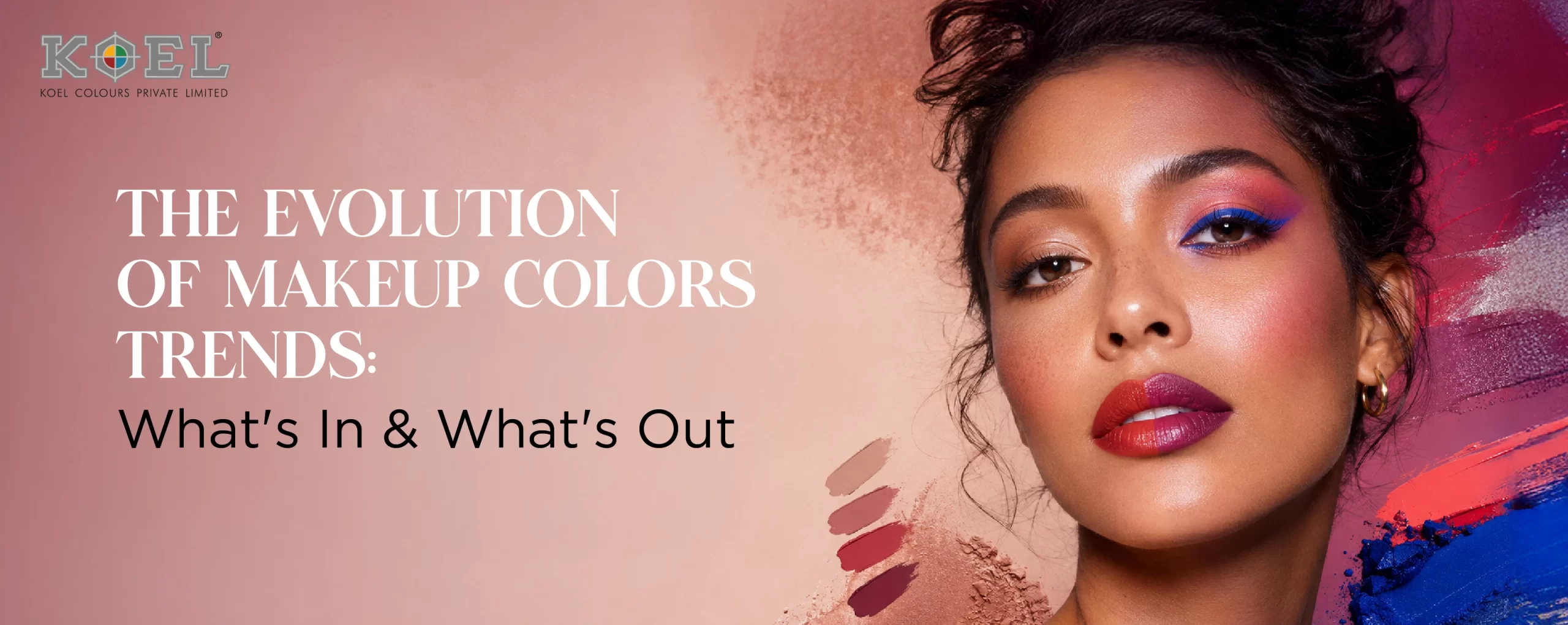
Colors has always been the beating heart of the beauty industry. It’s the first thing a consumer notices on a shelf, the first thing that shows up in a swatch video, and often the deciding factor between “add to cart” and “scroll past.” Every year, that colors story rewrites itself shaped by social media, runway shows, sustainability demands, and a new generation of consumers who want their products to perform as beautifully as they look.
2026 is proving to be a particularly interesting year for colors cosmetics. We’re seeing two seemingly opposite movements happening at once: a maximalist swing toward bold, high-shine, jewel-toned looks, and a parallel demand for “clean,” naturally derived, skin-true colors. Brands that can speak to both sides of this spectrum are the ones winning shelf space and social share.
As a pigment and colors cosmetics manufacturer with over years in the industry and a presence in 65+ countries, we sit at the intersection of trend and technology. Formulators and brand owners come to us not just to ask “what colors is trending,” but “how do we bring that colors to life safely, stably, and sustainably.” Here’s our take on what’s shaping the palette for 2026 and what it means for the pigments behind the products.
Before diving into the specific shades and finishes defining 2026, it’s worth understanding why the trend cycle has accelerated so dramatically. A decade ago, colors trends were largely dictated by seasonal runway shows and a handful of major beauty editors. Today, a single viral video can turn an obscure shade into a global bestseller within weeks.
This speed puts enormous pressure on the supply chain behind the scenes. Brands need pigment partners who can move quickly from concept to stable, compliant, ready-to-scale formulation without compromising on safety or performance. It’s also why so many of 2026’s biggest colors stories are, at their core, pigment innovation stories as much as they are design stories.
The “cyber glam” aesthetic that started online has fully crossed into mainstream beauty. Metallic chromes, opalescent sheens, and holographic multi-colors shifts are showing up in eyeshadows, highlighters, blushes, and even lip glosses. Consumers want their makeup to catch the light the way a phone screen does high-impact, almost futuristic.
This trend is powered almost entirely by advanced specialised metallic and mica pigments, engineered for high reflectivity, colors travel, and smooth, skin-friendly application. Achieving a true “chrome” effect rather than a dull metallic sheen — requires precise particle size control and coating technology, which is exactly where pigment innovation directly drives what’s possible on the shelf.
Balancing out the digital shimmer is a very grounded counter-trend: warm terracottas, rust, cinnamon, burnt sienna, and clay-inspired shades across blush, bronzer, eyeshadow, and lip colors. These earthy hues speak to a broader consumer desire for warmth, comfort, and authenticity a visual antidote to screen fatigue and overly polished aesthetics.
These shades pair beautifully with iron oxide pigments and natural colors systems, which deliver rich, wearable depth without looking artificial or chalky. Formulators are increasingly layering iron oxides with subtle mica shimmer to create the coveted “sun-kissed” multidimensional finish, rather than relying on a flat single pigment.
Sapphire blues, emerald greens, amethyst purples, and deep plums are replacing the soft, taupe-neutral eye looks that dominated recent years. Consumers are more confident experimenting with colors again, inspired by red-carpet looks and a broader cultural mood that favours expression over restraint.
This shift places new demands on colors intensity and lake pigment performance. Brands need formulas that deliver true, vivid, saturated colors payoff in a single swipe without excessive fallout, patchiness, or fading through wear. High-performance lake pigments, dispersed correctly within the base formula, are what make that one-swipe intensity possible.
Alongside maximalist eyes, there’s a parallel trend toward hyper-natural, buildable flush sheer washes of colors that look like skin, only better. Think cream blushes, lip-and-cheek tints, and translucent lip oils that adapt to individual undertones rather than sitting on top of the skin.
This requires pigments that are translucent, blendable, and consistent across a wide range of skin tones a growing formulation challenge that’s pushing innovation in micronized and surface-treated pigments. Getting a “your lips but better” tint to look natural across every skin tone, from fair to deep, is far more technically demanding than it appears, and it’s an area where pigment particle engineering makes all the difference.
Perhaps the biggest structural shift isn’t a shade at all it’s a sourcing philosophy. Consumers are reading ingredient labels more closely than ever, and terms like “naturally derived,” “plant-based,” and “clean beauty” are now genuine purchase drivers, not just marketing add-ons.
This is accelerating demand for natural colors and botanically derived pigment alternatives that can match the vibrancy and stability of synthetic pigments without compromising on clean-label credentials. It’s a technically difficult balance natural colourants have historically struggled with light stability, pH sensitivity, and shade consistency but ongoing R&D is closing that performance gap fast, making clean-label colors a realistic option for mainstream, not just niche, brands.
2026 is also seeing a rise in products designed to do more than one job a blush that doubles as an eyeshadow, a lip balm that shifts shade based on skin pH, a highlighter that reads differently depending on the angle of light. This “multi-use” trend rewards pigment systems engineered for versatility across different formula bases (cream, powder, liquid) and different application zones, rather than shade systems built for a single product type.
The single-shade, no-shimmer matte face that dominated minimalist beauty is fading. Consumers now want dimension, glow, and multi-tonal colors even in “no-makeup makeup” looks. A flat matte finish increasingly reads as dated rather than polished.
Icy, ashy neutrals the cool-toned taupes and greiges that defined the “clean girl” era are giving way to warmer, richer undertones across the board, reflecting the broader terracotta and earth-tone movement described above.
Pastel makeup isn’t disappearing, but the chalky, opaque pastels of previous years are being replaced by softer, more translucent washes of colors with better blendability and a lighter hand.
Fast-trend, disposable color collections built around one viral moment are losing ground to versatile, mixable palettes designed for longevity. This shift rewards brands investing in pigment systems designed for cross-shade compatibility, rather than one-off novelty shades that fall out of rotation within a season.
The extremely defined, high-contrast contour looks of the past are softening into more diffused, seamlessly blended bronzing and sculpting another sign that consumers are favouring dimension over drama.
What ties all of these movements together is that they aren’t just aesthetic choices they’re formulation challenges. Chrome finishes need pigments engineered for light reflection and stability. Terracotta tones need natural-looking depth without oxidation or shade drift over time. Jewel eyes need high color saturation that stays true through a full day of wear. Skin-true tints need translucency and cross-tone consistency. And clean-label claims need naturally derived alternatives that don’t sacrifice performance for the sake of the ingredient list.
Every trend on this list, in other words, is ultimately a pigment story. The brands that move fastest and most successfully in 2026 will be the ones backed by pigment partners who understand not just the aesthetic direction of the market, but the underlying chemistry needed to deliver it safely, consistently, and at scale.
At Koel Colours, this is where our work lives. With over 45 years of experience and a global distribution network spanning 65+ countries, we develop and supply the cosmetic colors, mica pigments, metallic pigments, lake pigments, and natural colors systems that let brands turn 2026’s biggest color stories into real, wearable, stable products backed by strong R&D, regulatory, and technical support at every step.
Whether a brand is chasing a holographic chrome finish, a clean-label terracotta blush, or a jewel-toned eyeshadow that holds its saturation from morning to night, the right pigment partner is often the difference between a trend that lives on paper and one that lives on the shelf.
Looking to formulate your next colors collection? Get in touch with our team to explore our full range of cosmetic colors and pigments.